Latest post
information of ancient artz
Project Management War
Internet Transaction Server
Popular Posts
MS Rachel Net Worth, Career, Salary, & Personal Life
(353)
Rana Rehan
July 3, 2024
what is crypto30x: Step by Step Guide in 2024
(319)
Rana Rehan
July 7, 2024
Who Is Andre Hakkak wife: Bio, Early Life, Her Life Love
(307)
Rana Rehan
July 6, 2024
Home Business Jobs: 13 Best Ideas to Grow the Way You Want
(185)
Farah Sharif
June 1, 2024
openhouseperth.net insurance in 2024: Step by Step Guide
(174)
Rana Rehan
June 15, 2024
Stay Connected
Home
About US
Write With Us
Privacy Policy
rankexpert1@gmail.com
TT Ads
Home
Introduction Cumberland River
The Cumberland River is a primary waterway of the Southern United States. The 688-mile-long (1,107 km)[2] river drains almost 18,000 rectangular miles (forty seven,000 km2) of southern Kentucky and north-significant Tennessee. The river flows typically west from a supply inside the Appalachian Mountains to its confluence with the Ohio River close to Paducah, Kentucky, and the mouth of the Tennessee River. Major tributaries consist of the Obey, Caney Fork, Stones, and Red Rivers. Although the Cumberland River basin is predominantly rural, there also are some big cities on the river, such as Nashville and Clarksville, each in Tennessee. The river machine has been drastically altered for flood control. Major dams impound regions of both the main stem and lots of its vital tributaries.
History of Cumberland River
The explorer Thomas Walker of Virginia in 1758 named the river, but whether for the Duke of Cumberland or the English county of Cumberland is not recognized.[6] The Cumberland River became known as Wasioto by way of the Shawnee Native Americans, who lived on this area. French traders known as it the Riviere des Chaouanons, or "River of the Shawnee" for this affiliation. The river changed into also referred to as the Shawnee River (or Shawanoe River) for years after Walker's experience.[1] Important first as a passage for hunters and settlers, the Cumberland River additionally supported later riverboat exchange, which traveled to the Ohio and Mississippi rivers. Villages, towns, and towns have been located at touchdown factors along its banks. Through the center of the 19th century, settlers depended on rivers because the primary transportation routes for trading and journey.
Cumberland River Geography
The Cumberland River is a significant waterway in the United States, primarily flowing through Kentucky and Tennessee. Here’s a brief overview of its geography:
Origin and Course
Source
: The river originates in the Appalachian
Mountains
of southeastern Kentucky, near the town of Harlan.
Length
: It stretches about 688 miles (1,107 km), making it one of the longest rivers in the region.
Major Features
Tributaries
: Key tributaries include the Obey River, Stones River, and the Red River, which contribute to its flow.
Dams and Reservoirs
: The river is home to several dams, including the Dale Hollow Dam and the Old Hickory Dam, which create reservoirs that serve for flood control, hydroelectric power, and recreation.
Geography and Surroundings
Landscape
: The river traverses a mix of landscapes, including rolling hills, valleys, and areas of forest, particularly in the Upper Cumberland region.
Cities
: Major cities along its course include Nashville, Tennessee, which is situated near its confluence with the Ohio River. Other notable towns include Clarksville and Cookeville.
Ecological Significance
The Cumberland River supports a diverse ecosystem, with various fish species and wildlife habitats along its banks, making it vital for both environmental and recreational purposes.
Cultural and Historical Importance
The river has played a crucial role in the settlement and development of the region, serving as a transportation route and a source of water for agriculture and industry.
If you’re looking for more specific information about a particular section or aspect of the river, let me know!
Gay Street and Cumberland River how view
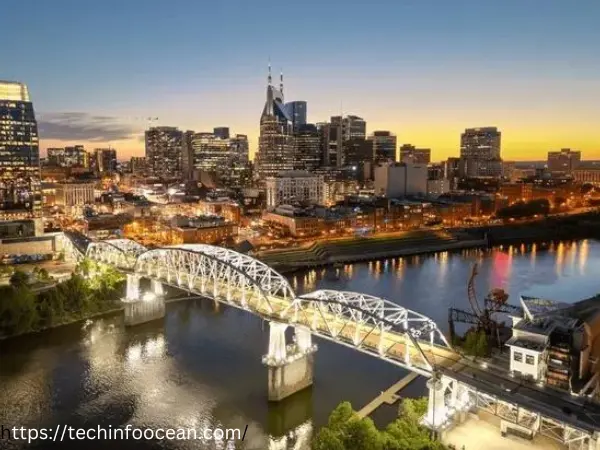
At the intersection of Gay Street and the Cumberland River in Nashville, visitors are treated to a picturesque blend of urban vibrancy and natural beauty. The historic Gay Street is lined with charming architecture, leading seamlessly to the scenic Riverfront Park, where lush green spaces meet the water’s edge. From here, the iconic John Seigenthaler Pedestrian Bridge offers stunning panoramic views of the river and the dynamic Nashville skyline, especially captivating at sunset. The lively atmosphere, enhanced by nearby events and recreational opportunities along the river, creates a perfect backdrop for both relaxation and exploration, making this area a delightful focal point in the heart of the city. for more information visit
home gage
Technology
Introduction Cumberland River
The Cumberland River is a primary waterway of the Southern United States. The 688-mile-long (1,107 km)[2] river drains almost 18,000 rectangular miles (forty seven,000 km2) of southern Kentucky and north-significant Tennessee. The river flows typically west from a supply inside the Appalachian Mountains to its confluence with the Ohio River close to Paducah, Kentucky, and the mouth of the Tennessee River. Major tributaries consist of the Obey, Caney Fork, Stones, and Red Rivers. Although the Cumberland River basin is predominantly rural, there also are some big cities on the river, such as Nashville and Clarksville, each in Tennessee. The river machine has been drastically altered for flood control. Major dams impound regions of both the main stem and lots of its vital tributaries.
History of Cumberland River
The explorer Thomas Walker of Virginia in 1758 named the river, but whether for the Duke of Cumberland or the English county of Cumberland is not recognized.[6] The Cumberland River became known as Wasioto by way of the Shawnee Native Americans, who lived on this area. French traders known as it the Riviere des Chaouanons, or "River of the Shawnee" for this affiliation. The river changed into also referred to as the Shawnee River (or Shawanoe River) for years after Walker's experience.[1] Important first as a passage for hunters and settlers, the Cumberland River additionally supported later riverboat exchange, which traveled to the Ohio and Mississippi rivers. Villages, towns, and towns have been located at touchdown factors along its banks. Through the center of the 19th century, settlers depended on rivers because the primary transportation routes for trading and journey.
Cumberland River Geography
The Cumberland River is a significant waterway in the United States, primarily flowing through Kentucky and Tennessee. Here’s a brief overview of its geography:
Origin and Course
Source
: The river originates in the Appalachian
Mountains
of southeastern Kentucky, near the town of Harlan.
Length
: It stretches about 688 miles (1,107 km), making it one of the longest rivers in the region.
Major Features
Tributaries
: Key tributaries include the Obey River, Stones River, and the Red River, which contribute to its flow.
Dams and Reservoirs
: The river is home to several dams, including the Dale Hollow Dam and the Old Hickory Dam, which create reservoirs that serve for flood control, hydroelectric power, and recreation.
Geography and Surroundings
Landscape
: The river traverses a mix of landscapes, including rolling hills, valleys, and areas of forest, particularly in the Upper Cumberland region.
Cities
: Major cities along its course include Nashville, Tennessee, which is situated near its confluence with the Ohio River. Other notable towns include Clarksville and Cookeville.
Ecological Significance
The Cumberland River supports a diverse ecosystem, with various fish species and wildlife habitats along its banks, making it vital for both environmental and recreational purposes.
Cultural and Historical Importance
The river has played a crucial role in the settlement and development of the region, serving as a transportation route and a source of water for agriculture and industry.
If you’re looking for more specific information about a particular section or aspect of the river, let me know!
Gay Street and Cumberland River how view
At the intersection of Gay Street and the Cumberland River in Nashville, visitors are treated to a picturesque blend of urban vibrancy and natural beauty. The historic Gay Street is lined with charming architecture, leading seamlessly to the scenic Riverfront Park, where lush green spaces meet the water’s edge. From here, the iconic John Seigenthaler Pedestrian Bridge offers stunning panoramic views of the river and the dynamic Nashville skyline, especially captivating at sunset. The lively atmosphere, enhanced by nearby events and recreational opportunities along the river, creates a perfect backdrop for both relaxation and exploration, making this area a delightful focal point in the heart of the city. for more information visit
home gage
Business
Introduction Cumberland River
The Cumberland River is a primary waterway of the Southern United States. The 688-mile-long (1,107 km)[2] river drains almost 18,000 rectangular miles (forty seven,000 km2) of southern Kentucky and north-significant Tennessee. The river flows typically west from a supply inside the Appalachian Mountains to its confluence with the Ohio River close to Paducah, Kentucky, and the mouth of the Tennessee River. Major tributaries consist of the Obey, Caney Fork, Stones, and Red Rivers. Although the Cumberland River basin is predominantly rural, there also are some big cities on the river, such as Nashville and Clarksville, each in Tennessee. The river machine has been drastically altered for flood control. Major dams impound regions of both the main stem and lots of its vital tributaries.
History of Cumberland River
The explorer Thomas Walker of Virginia in 1758 named the river, but whether for the Duke of Cumberland or the English county of Cumberland is not recognized.[6] The Cumberland River became known as Wasioto by way of the Shawnee Native Americans, who lived on this area. French traders known as it the Riviere des Chaouanons, or "River of the Shawnee" for this affiliation. The river changed into also referred to as the Shawnee River (or Shawanoe River) for years after Walker's experience.[1] Important first as a passage for hunters and settlers, the Cumberland River additionally supported later riverboat exchange, which traveled to the Ohio and Mississippi rivers. Villages, towns, and towns have been located at touchdown factors along its banks. Through the center of the 19th century, settlers depended on rivers because the primary transportation routes for trading and journey.
Cumberland River Geography
The Cumberland River is a significant waterway in the United States, primarily flowing through Kentucky and Tennessee. Here’s a brief overview of its geography:
Origin and Course
Source
: The river originates in the Appalachian
Mountains
of southeastern Kentucky, near the town of Harlan.
Length
: It stretches about 688 miles (1,107 km), making it one of the longest rivers in the region.
Major Features
Tributaries
: Key tributaries include the Obey River, Stones River, and the Red River, which contribute to its flow.
Dams and Reservoirs
: The river is home to several dams, including the Dale Hollow Dam and the Old Hickory Dam, which create reservoirs that serve for flood control, hydroelectric power, and recreation.
Geography and Surroundings
Landscape
: The river traverses a mix of landscapes, including rolling hills, valleys, and areas of forest, particularly in the Upper Cumberland region.
Cities
: Major cities along its course include Nashville, Tennessee, which is situated near its confluence with the Ohio River. Other notable towns include Clarksville and Cookeville.
Ecological Significance
The Cumberland River supports a diverse ecosystem, with various fish species and wildlife habitats along its banks, making it vital for both environmental and recreational purposes.
Cultural and Historical Importance
The river has played a crucial role in the settlement and development of the region, serving as a transportation route and a source of water for agriculture and industry.
If you’re looking for more specific information about a particular section or aspect of the river, let me know!
Gay Street and Cumberland River how view
At the intersection of Gay Street and the Cumberland River in Nashville, visitors are treated to a picturesque blend of urban vibrancy and natural beauty. The historic Gay Street is lined with charming architecture, leading seamlessly to the scenic Riverfront Park, where lush green spaces meet the water’s edge. From here, the iconic John Seigenthaler Pedestrian Bridge offers stunning panoramic views of the river and the dynamic Nashville skyline, especially captivating at sunset. The lively atmosphere, enhanced by nearby events and recreational opportunities along the river, creates a perfect backdrop for both relaxation and exploration, making this area a delightful focal point in the heart of the city. for more information visit
home gage
Education
Introduction Cumberland River
The Cumberland River is a primary waterway of the Southern United States. The 688-mile-long (1,107 km)[2] river drains almost 18,000 rectangular miles (forty seven,000 km2) of southern Kentucky and north-significant Tennessee. The river flows typically west from a supply inside the Appalachian Mountains to its confluence with the Ohio River close to Paducah, Kentucky, and the mouth of the Tennessee River. Major tributaries consist of the Obey, Caney Fork, Stones, and Red Rivers. Although the Cumberland River basin is predominantly rural, there also are some big cities on the river, such as Nashville and Clarksville, each in Tennessee. The river machine has been drastically altered for flood control. Major dams impound regions of both the main stem and lots of its vital tributaries.
History of Cumberland River
The explorer Thomas Walker of Virginia in 1758 named the river, but whether for the Duke of Cumberland or the English county of Cumberland is not recognized.[6] The Cumberland River became known as Wasioto by way of the Shawnee Native Americans, who lived on this area. French traders known as it the Riviere des Chaouanons, or "River of the Shawnee" for this affiliation. The river changed into also referred to as the Shawnee River (or Shawanoe River) for years after Walker's experience.[1] Important first as a passage for hunters and settlers, the Cumberland River additionally supported later riverboat exchange, which traveled to the Ohio and Mississippi rivers. Villages, towns, and towns have been located at touchdown factors along its banks. Through the center of the 19th century, settlers depended on rivers because the primary transportation routes for trading and journey.
Cumberland River Geography
The Cumberland River is a significant waterway in the United States, primarily flowing through Kentucky and Tennessee. Here’s a brief overview of its geography:
Origin and Course
Source
: The river originates in the Appalachian
Mountains
of southeastern Kentucky, near the town of Harlan.
Length
: It stretches about 688 miles (1,107 km), making it one of the longest rivers in the region.
Major Features
Tributaries
: Key tributaries include the Obey River, Stones River, and the Red River, which contribute to its flow.
Dams and Reservoirs
: The river is home to several dams, including the Dale Hollow Dam and the Old Hickory Dam, which create reservoirs that serve for flood control, hydroelectric power, and recreation.
Geography and Surroundings
Landscape
: The river traverses a mix of landscapes, including rolling hills, valleys, and areas of forest, particularly in the Upper Cumberland region.
Cities
: Major cities along its course include Nashville, Tennessee, which is situated near its confluence with the Ohio River. Other notable towns include Clarksville and Cookeville.
Ecological Significance
The Cumberland River supports a diverse ecosystem, with various fish species and wildlife habitats along its banks, making it vital for both environmental and recreational purposes.
Cultural and Historical Importance
The river has played a crucial role in the settlement and development of the region, serving as a transportation route and a source of water for agriculture and industry.
If you’re looking for more specific information about a particular section or aspect of the river, let me know!
Gay Street and Cumberland River how view
At the intersection of Gay Street and the Cumberland River in Nashville, visitors are treated to a picturesque blend of urban vibrancy and natural beauty. The historic Gay Street is lined with charming architecture, leading seamlessly to the scenic Riverfront Park, where lush green spaces meet the water’s edge. From here, the iconic John Seigenthaler Pedestrian Bridge offers stunning panoramic views of the river and the dynamic Nashville skyline, especially captivating at sunset. The lively atmosphere, enhanced by nearby events and recreational opportunities along the river, creates a perfect backdrop for both relaxation and exploration, making this area a delightful focal point in the heart of the city. for more information visit
home gage
News
Introduction Cumberland River
The Cumberland River is a primary waterway of the Southern United States. The 688-mile-long (1,107 km)[2] river drains almost 18,000 rectangular miles (forty seven,000 km2) of southern Kentucky and north-significant Tennessee. The river flows typically west from a supply inside the Appalachian Mountains to its confluence with the Ohio River close to Paducah, Kentucky, and the mouth of the Tennessee River. Major tributaries consist of the Obey, Caney Fork, Stones, and Red Rivers. Although the Cumberland River basin is predominantly rural, there also are some big cities on the river, such as Nashville and Clarksville, each in Tennessee. The river machine has been drastically altered for flood control. Major dams impound regions of both the main stem and lots of its vital tributaries.
History of Cumberland River
The explorer Thomas Walker of Virginia in 1758 named the river, but whether for the Duke of Cumberland or the English county of Cumberland is not recognized.[6] The Cumberland River became known as Wasioto by way of the Shawnee Native Americans, who lived on this area. French traders known as it the Riviere des Chaouanons, or "River of the Shawnee" for this affiliation. The river changed into also referred to as the Shawnee River (or Shawanoe River) for years after Walker's experience.[1] Important first as a passage for hunters and settlers, the Cumberland River additionally supported later riverboat exchange, which traveled to the Ohio and Mississippi rivers. Villages, towns, and towns have been located at touchdown factors along its banks. Through the center of the 19th century, settlers depended on rivers because the primary transportation routes for trading and journey.
Cumberland River Geography
The Cumberland River is a significant waterway in the United States, primarily flowing through Kentucky and Tennessee. Here’s a brief overview of its geography:
Origin and Course
Source
: The river originates in the Appalachian
Mountains
of southeastern Kentucky, near the town of Harlan.
Length
: It stretches about 688 miles (1,107 km), making it one of the longest rivers in the region.
Major Features
Tributaries
: Key tributaries include the Obey River, Stones River, and the Red River, which contribute to its flow.
Dams and Reservoirs
: The river is home to several dams, including the Dale Hollow Dam and the Old Hickory Dam, which create reservoirs that serve for flood control, hydroelectric power, and recreation.
Geography and Surroundings
Landscape
: The river traverses a mix of landscapes, including rolling hills, valleys, and areas of forest, particularly in the Upper Cumberland region.
Cities
: Major cities along its course include Nashville, Tennessee, which is situated near its confluence with the Ohio River. Other notable towns include Clarksville and Cookeville.
Ecological Significance
The Cumberland River supports a diverse ecosystem, with various fish species and wildlife habitats along its banks, making it vital for both environmental and recreational purposes.
Cultural and Historical Importance
The river has played a crucial role in the settlement and development of the region, serving as a transportation route and a source of water for agriculture and industry.
If you’re looking for more specific information about a particular section or aspect of the river, let me know!
Gay Street and Cumberland River how view
At the intersection of Gay Street and the Cumberland River in Nashville, visitors are treated to a picturesque blend of urban vibrancy and natural beauty. The historic Gay Street is lined with charming architecture, leading seamlessly to the scenic Riverfront Park, where lush green spaces meet the water’s edge. From here, the iconic John Seigenthaler Pedestrian Bridge offers stunning panoramic views of the river and the dynamic Nashville skyline, especially captivating at sunset. The lively atmosphere, enhanced by nearby events and recreational opportunities along the river, creates a perfect backdrop for both relaxation and exploration, making this area a delightful focal point in the heart of the city. for more information visit
home gage
Entertainment
Introduction Cumberland River
The Cumberland River is a primary waterway of the Southern United States. The 688-mile-long (1,107 km)[2] river drains almost 18,000 rectangular miles (forty seven,000 km2) of southern Kentucky and north-significant Tennessee. The river flows typically west from a supply inside the Appalachian Mountains to its confluence with the Ohio River close to Paducah, Kentucky, and the mouth of the Tennessee River. Major tributaries consist of the Obey, Caney Fork, Stones, and Red Rivers. Although the Cumberland River basin is predominantly rural, there also are some big cities on the river, such as Nashville and Clarksville, each in Tennessee. The river machine has been drastically altered for flood control. Major dams impound regions of both the main stem and lots of its vital tributaries.
History of Cumberland River
The explorer Thomas Walker of Virginia in 1758 named the river, but whether for the Duke of Cumberland or the English county of Cumberland is not recognized.[6] The Cumberland River became known as Wasioto by way of the Shawnee Native Americans, who lived on this area. French traders known as it the Riviere des Chaouanons, or "River of the Shawnee" for this affiliation. The river changed into also referred to as the Shawnee River (or Shawanoe River) for years after Walker's experience.[1] Important first as a passage for hunters and settlers, the Cumberland River additionally supported later riverboat exchange, which traveled to the Ohio and Mississippi rivers. Villages, towns, and towns have been located at touchdown factors along its banks. Through the center of the 19th century, settlers depended on rivers because the primary transportation routes for trading and journey.
Cumberland River Geography
The Cumberland River is a significant waterway in the United States, primarily flowing through Kentucky and Tennessee. Here’s a brief overview of its geography:
Origin and Course
Source
: The river originates in the Appalachian
Mountains
of southeastern Kentucky, near the town of Harlan.
Length
: It stretches about 688 miles (1,107 km), making it one of the longest rivers in the region.
Major Features
Tributaries
: Key tributaries include the Obey River, Stones River, and the Red River, which contribute to its flow.
Dams and Reservoirs
: The river is home to several dams, including the Dale Hollow Dam and the Old Hickory Dam, which create reservoirs that serve for flood control, hydroelectric power, and recreation.
Geography and Surroundings
Landscape
: The river traverses a mix of landscapes, including rolling hills, valleys, and areas of forest, particularly in the Upper Cumberland region.
Cities
: Major cities along its course include Nashville, Tennessee, which is situated near its confluence with the Ohio River. Other notable towns include Clarksville and Cookeville.
Ecological Significance
The Cumberland River supports a diverse ecosystem, with various fish species and wildlife habitats along its banks, making it vital for both environmental and recreational purposes.
Cultural and Historical Importance
The river has played a crucial role in the settlement and development of the region, serving as a transportation route and a source of water for agriculture and industry.
If you’re looking for more specific information about a particular section or aspect of the river, let me know!
Gay Street and Cumberland River how view
At the intersection of Gay Street and the Cumberland River in Nashville, visitors are treated to a picturesque blend of urban vibrancy and natural beauty. The historic Gay Street is lined with charming architecture, leading seamlessly to the scenic Riverfront Park, where lush green spaces meet the water’s edge. From here, the iconic John Seigenthaler Pedestrian Bridge offers stunning panoramic views of the river and the dynamic Nashville skyline, especially captivating at sunset. The lively atmosphere, enhanced by nearby events and recreational opportunities along the river, creates a perfect backdrop for both relaxation and exploration, making this area a delightful focal point in the heart of the city. for more information visit
home gage
Fashion
Introduction Cumberland River
The Cumberland River is a primary waterway of the Southern United States. The 688-mile-long (1,107 km)[2] river drains almost 18,000 rectangular miles (forty seven,000 km2) of southern Kentucky and north-significant Tennessee. The river flows typically west from a supply inside the Appalachian Mountains to its confluence with the Ohio River close to Paducah, Kentucky, and the mouth of the Tennessee River. Major tributaries consist of the Obey, Caney Fork, Stones, and Red Rivers. Although the Cumberland River basin is predominantly rural, there also are some big cities on the river, such as Nashville and Clarksville, each in Tennessee. The river machine has been drastically altered for flood control. Major dams impound regions of both the main stem and lots of its vital tributaries.
History of Cumberland River
The explorer Thomas Walker of Virginia in 1758 named the river, but whether for the Duke of Cumberland or the English county of Cumberland is not recognized.[6] The Cumberland River became known as Wasioto by way of the Shawnee Native Americans, who lived on this area. French traders known as it the Riviere des Chaouanons, or "River of the Shawnee" for this affiliation. The river changed into also referred to as the Shawnee River (or Shawanoe River) for years after Walker's experience.[1] Important first as a passage for hunters and settlers, the Cumberland River additionally supported later riverboat exchange, which traveled to the Ohio and Mississippi rivers. Villages, towns, and towns have been located at touchdown factors along its banks. Through the center of the 19th century, settlers depended on rivers because the primary transportation routes for trading and journey.
Cumberland River Geography
The Cumberland River is a significant waterway in the United States, primarily flowing through Kentucky and Tennessee. Here’s a brief overview of its geography:
Origin and Course
Source
: The river originates in the Appalachian
Mountains
of southeastern Kentucky, near the town of Harlan.
Length
: It stretches about 688 miles (1,107 km), making it one of the longest rivers in the region.
Major Features
Tributaries
: Key tributaries include the Obey River, Stones River, and the Red River, which contribute to its flow.
Dams and Reservoirs
: The river is home to several dams, including the Dale Hollow Dam and the Old Hickory Dam, which create reservoirs that serve for flood control, hydroelectric power, and recreation.
Geography and Surroundings
Landscape
: The river traverses a mix of landscapes, including rolling hills, valleys, and areas of forest, particularly in the Upper Cumberland region.
Cities
: Major cities along its course include Nashville, Tennessee, which is situated near its confluence with the Ohio River. Other notable towns include Clarksville and Cookeville.
Ecological Significance
The Cumberland River supports a diverse ecosystem, with various fish species and wildlife habitats along its banks, making it vital for both environmental and recreational purposes.
Cultural and Historical Importance
The river has played a crucial role in the settlement and development of the region, serving as a transportation route and a source of water for agriculture and industry.
If you’re looking for more specific information about a particular section or aspect of the river, let me know!
Gay Street and Cumberland River how view
At the intersection of Gay Street and the Cumberland River in Nashville, visitors are treated to a picturesque blend of urban vibrancy and natural beauty. The historic Gay Street is lined with charming architecture, leading seamlessly to the scenic Riverfront Park, where lush green spaces meet the water’s edge. From here, the iconic John Seigenthaler Pedestrian Bridge offers stunning panoramic views of the river and the dynamic Nashville skyline, especially captivating at sunset. The lively atmosphere, enhanced by nearby events and recreational opportunities along the river, creates a perfect backdrop for both relaxation and exploration, making this area a delightful focal point in the heart of the city. for more information visit
home gage
Food
Introduction Cumberland River
The Cumberland River is a primary waterway of the Southern United States. The 688-mile-long (1,107 km)[2] river drains almost 18,000 rectangular miles (forty seven,000 km2) of southern Kentucky and north-significant Tennessee. The river flows typically west from a supply inside the Appalachian Mountains to its confluence with the Ohio River close to Paducah, Kentucky, and the mouth of the Tennessee River. Major tributaries consist of the Obey, Caney Fork, Stones, and Red Rivers. Although the Cumberland River basin is predominantly rural, there also are some big cities on the river, such as Nashville and Clarksville, each in Tennessee. The river machine has been drastically altered for flood control. Major dams impound regions of both the main stem and lots of its vital tributaries.
History of Cumberland River
The explorer Thomas Walker of Virginia in 1758 named the river, but whether for the Duke of Cumberland or the English county of Cumberland is not recognized.[6] The Cumberland River became known as Wasioto by way of the Shawnee Native Americans, who lived on this area. French traders known as it the Riviere des Chaouanons, or "River of the Shawnee" for this affiliation. The river changed into also referred to as the Shawnee River (or Shawanoe River) for years after Walker's experience.[1] Important first as a passage for hunters and settlers, the Cumberland River additionally supported later riverboat exchange, which traveled to the Ohio and Mississippi rivers. Villages, towns, and towns have been located at touchdown factors along its banks. Through the center of the 19th century, settlers depended on rivers because the primary transportation routes for trading and journey.
Cumberland River Geography
The Cumberland River is a significant waterway in the United States, primarily flowing through Kentucky and Tennessee. Here’s a brief overview of its geography:
Origin and Course
Source
: The river originates in the Appalachian
Mountains
of southeastern Kentucky, near the town of Harlan.
Length
: It stretches about 688 miles (1,107 km), making it one of the longest rivers in the region.
Major Features
Tributaries
: Key tributaries include the Obey River, Stones River, and the Red River, which contribute to its flow.
Dams and Reservoirs
: The river is home to several dams, including the Dale Hollow Dam and the Old Hickory Dam, which create reservoirs that serve for flood control, hydroelectric power, and recreation.
Geography and Surroundings
Landscape
: The river traverses a mix of landscapes, including rolling hills, valleys, and areas of forest, particularly in the Upper Cumberland region.
Cities
: Major cities along its course include Nashville, Tennessee, which is situated near its confluence with the Ohio River. Other notable towns include Clarksville and Cookeville.
Ecological Significance
The Cumberland River supports a diverse ecosystem, with various fish species and wildlife habitats along its banks, making it vital for both environmental and recreational purposes.
Cultural and Historical Importance
The river has played a crucial role in the settlement and development of the region, serving as a transportation route and a source of water for agriculture and industry.
If you’re looking for more specific information about a particular section or aspect of the river, let me know!
Gay Street and Cumberland River how view
At the intersection of Gay Street and the Cumberland River in Nashville, visitors are treated to a picturesque blend of urban vibrancy and natural beauty. The historic Gay Street is lined with charming architecture, leading seamlessly to the scenic Riverfront Park, where lush green spaces meet the water’s edge. From here, the iconic John Seigenthaler Pedestrian Bridge offers stunning panoramic views of the river and the dynamic Nashville skyline, especially captivating at sunset. The lively atmosphere, enhanced by nearby events and recreational opportunities along the river, creates a perfect backdrop for both relaxation and exploration, making this area a delightful focal point in the heart of the city. for more information visit
home gage
Lifestyle
Introduction Cumberland River
The Cumberland River is a primary waterway of the Southern United States. The 688-mile-long (1,107 km)[2] river drains almost 18,000 rectangular miles (forty seven,000 km2) of southern Kentucky and north-significant Tennessee. The river flows typically west from a supply inside the Appalachian Mountains to its confluence with the Ohio River close to Paducah, Kentucky, and the mouth of the Tennessee River. Major tributaries consist of the Obey, Caney Fork, Stones, and Red Rivers. Although the Cumberland River basin is predominantly rural, there also are some big cities on the river, such as Nashville and Clarksville, each in Tennessee. The river machine has been drastically altered for flood control. Major dams impound regions of both the main stem and lots of its vital tributaries.
History of Cumberland River
The explorer Thomas Walker of Virginia in 1758 named the river, but whether for the Duke of Cumberland or the English county of Cumberland is not recognized.[6] The Cumberland River became known as Wasioto by way of the Shawnee Native Americans, who lived on this area. French traders known as it the Riviere des Chaouanons, or "River of the Shawnee" for this affiliation. The river changed into also referred to as the Shawnee River (or Shawanoe River) for years after Walker's experience.[1] Important first as a passage for hunters and settlers, the Cumberland River additionally supported later riverboat exchange, which traveled to the Ohio and Mississippi rivers. Villages, towns, and towns have been located at touchdown factors along its banks. Through the center of the 19th century, settlers depended on rivers because the primary transportation routes for trading and journey.
Cumberland River Geography
The Cumberland River is a significant waterway in the United States, primarily flowing through Kentucky and Tennessee. Here’s a brief overview of its geography:
Origin and Course
Source
: The river originates in the Appalachian
Mountains
of southeastern Kentucky, near the town of Harlan.
Length
: It stretches about 688 miles (1,107 km), making it one of the longest rivers in the region.
Major Features
Tributaries
: Key tributaries include the Obey River, Stones River, and the Red River, which contribute to its flow.
Dams and Reservoirs
: The river is home to several dams, including the Dale Hollow Dam and the Old Hickory Dam, which create reservoirs that serve for flood control, hydroelectric power, and recreation.
Geography and Surroundings
Landscape
: The river traverses a mix of landscapes, including rolling hills, valleys, and areas of forest, particularly in the Upper Cumberland region.
Cities
: Major cities along its course include Nashville, Tennessee, which is situated near its confluence with the Ohio River. Other notable towns include Clarksville and Cookeville.
Ecological Significance
The Cumberland River supports a diverse ecosystem, with various fish species and wildlife habitats along its banks, making it vital for both environmental and recreational purposes.
Cultural and Historical Importance
The river has played a crucial role in the settlement and development of the region, serving as a transportation route and a source of water for agriculture and industry.
If you’re looking for more specific information about a particular section or aspect of the river, let me know!
Gay Street and Cumberland River how view
At the intersection of Gay Street and the Cumberland River in Nashville, visitors are treated to a picturesque blend of urban vibrancy and natural beauty. The historic Gay Street is lined with charming architecture, leading seamlessly to the scenic Riverfront Park, where lush green spaces meet the water’s edge. From here, the iconic John Seigenthaler Pedestrian Bridge offers stunning panoramic views of the river and the dynamic Nashville skyline, especially captivating at sunset. The lively atmosphere, enhanced by nearby events and recreational opportunities along the river, creates a perfect backdrop for both relaxation and exploration, making this area a delightful focal point in the heart of the city. for more information visit
home gage
Travel
Introduction Cumberland River
The Cumberland River is a primary waterway of the Southern United States. The 688-mile-long (1,107 km)[2] river drains almost 18,000 rectangular miles (forty seven,000 km2) of southern Kentucky and north-significant Tennessee. The river flows typically west from a supply inside the Appalachian Mountains to its confluence with the Ohio River close to Paducah, Kentucky, and the mouth of the Tennessee River. Major tributaries consist of the Obey, Caney Fork, Stones, and Red Rivers. Although the Cumberland River basin is predominantly rural, there also are some big cities on the river, such as Nashville and Clarksville, each in Tennessee. The river machine has been drastically altered for flood control. Major dams impound regions of both the main stem and lots of its vital tributaries.
History of Cumberland River
The explorer Thomas Walker of Virginia in 1758 named the river, but whether for the Duke of Cumberland or the English county of Cumberland is not recognized.[6] The Cumberland River became known as Wasioto by way of the Shawnee Native Americans, who lived on this area. French traders known as it the Riviere des Chaouanons, or "River of the Shawnee" for this affiliation. The river changed into also referred to as the Shawnee River (or Shawanoe River) for years after Walker's experience.[1] Important first as a passage for hunters and settlers, the Cumberland River additionally supported later riverboat exchange, which traveled to the Ohio and Mississippi rivers. Villages, towns, and towns have been located at touchdown factors along its banks. Through the center of the 19th century, settlers depended on rivers because the primary transportation routes for trading and journey.
Cumberland River Geography
The Cumberland River is a significant waterway in the United States, primarily flowing through Kentucky and Tennessee. Here’s a brief overview of its geography:
Origin and Course
Source
: The river originates in the Appalachian
Mountains
of southeastern Kentucky, near the town of Harlan.
Length
: It stretches about 688 miles (1,107 km), making it one of the longest rivers in the region.
Major Features
Tributaries
: Key tributaries include the Obey River, Stones River, and the Red River, which contribute to its flow.
Dams and Reservoirs
: The river is home to several dams, including the Dale Hollow Dam and the Old Hickory Dam, which create reservoirs that serve for flood control, hydroelectric power, and recreation.
Geography and Surroundings
Landscape
: The river traverses a mix of landscapes, including rolling hills, valleys, and areas of forest, particularly in the Upper Cumberland region.
Cities
: Major cities along its course include Nashville, Tennessee, which is situated near its confluence with the Ohio River. Other notable towns include Clarksville and Cookeville.
Ecological Significance
The Cumberland River supports a diverse ecosystem, with various fish species and wildlife habitats along its banks, making it vital for both environmental and recreational purposes.
Cultural and Historical Importance
The river has played a crucial role in the settlement and development of the region, serving as a transportation route and a source of water for agriculture and industry.
If you’re looking for more specific information about a particular section or aspect of the river, let me know!
Gay Street and Cumberland River how view
At the intersection of Gay Street and the Cumberland River in Nashville, visitors are treated to a picturesque blend of urban vibrancy and natural beauty. The historic Gay Street is lined with charming architecture, leading seamlessly to the scenic Riverfront Park, where lush green spaces meet the water’s edge. From here, the iconic John Seigenthaler Pedestrian Bridge offers stunning panoramic views of the river and the dynamic Nashville skyline, especially captivating at sunset. The lively atmosphere, enhanced by nearby events and recreational opportunities along the river, creates a perfect backdrop for both relaxation and exploration, making this area a delightful focal point in the heart of the city. for more information visit
home gage
Category: News
Home
News
M Asif
October 4, 2024
5 min read
26
Gay Street and Cumberland River over view
M Asif
September 28, 2024
6 min read
20
Aviva Taeidkashani Big Star In Luxury Marketing
M Asif
August 28, 2024
5 min read
43
Shari ANN Chinnis Indianapolis : The Story of Life and Legacy
M Asif
August 27, 2024
5 min read
47
Ellen Yarnell Hollidaysburg PA Obituary: A Hollidaysburg Hero
M Asif
August 24, 2024
9 min read
53
The Incredible Journey of Natasha Mae Fester Obituary
M Asif
August 22, 2024
8 min read
49
Chelsea Acton Famous Parenting :Tips and Perception
M Asif
August 17, 2024
10 min read
63
MyFastBroker Trading Platforms : A Step By Step Guide 2024
M Asif
August 17, 2024
10 min read
64
AL Burj Real Estate Kerzner: A Comprehensive Overview
M Asif
August 16, 2024
9 min read
59
Prince Narula Digital Paypal: A Step by Step Guide
M Asif
August 15, 2024
7 min read
45
Hamro Solar LLC : Comprehensive Guide 2024
1
2
3
Next
Popular Post
MS Rachel Net Worth, Career, Salary, & Personal Life
(353)
Rana Rehan
July 3, 2024
what is crypto30x: Step by Step Guide in 2024
(319)
Rana Rehan
July 7, 2024
Who Is Andre Hakkak wife: Bio, Early Life, Her Life Love
(307)
Rana Rehan
July 6, 2024
Home Business Jobs: 13 Best Ideas to Grow the Way You Want
(185)
Farah Sharif
June 1, 2024
openhouseperth.net insurance in 2024: Step by Step Guide
(174)
Rana Rehan
June 15, 2024
Weather
Dhaka
haze
30
℃
34º - 24º
humidity:
57%
wind:
3 km/h
24
℃
Wed
24
℃
Thu
24
℃
Fri
24
℃
Sat
31
℃
Sun
31
℃
Mon